Microsurgery Programme
Lipedema and nutrition
There is no diet that eliminates lipedema. This needs saying at the outset, because the most repeated experience in this condition is exactly that: years of dieting, kilos lost, and legs that never change. But nutrition does have a real, measurable contribution — just not where it is expected.
Written and medically reviewed by: Doç. Dr. Tahsin Oğuz Acartürk — Plastic, Reconstructive & Aesthetic Surgery; University of Pittsburgh. Last updated:
Why does lipedema fat resist dieting?
The answer to this question invalidates the accusation patients have heard for years.
Fat tissue in the body is not uniform. In lipedema the affected tissue differs from normal fat tissue in cell structure, vascularity and inflammatory activity. Calorie restriction reduces the body's general fat store — but it does not affect this regional, diseased tissue to the same degree.
What is seen in practice is this: the patient loses weight, her face, arms and waist slim down, and her legs stay largely the same. The disproportion may even become more obvious.
This does not mean dieting is useless — it means the goal has been set wrongly. Slimming the legs cannot be the aim of nutrition. But reducing the lymphatic load and easing symptoms can be.
The real contribution of nutrition
- Reduced lymphatic load: a lower body mass index directly eases the transport burden on the lymphatic system. This matters particularly in patients who have progressed to lipo-lymphedema.
- Less sensation of swelling: restricting excess salt and processed food may reduce the feeling of puffiness through the day
- Less joint load: the burden on the knee and hip joints is reduced
- Better surgical outcome: a stable weight is decisive in maintaining the result after surgery
- Slower progression: weight gain is one of the factors that aggravates lipedema
The contribution of nutrition is real but indirect. It improves not the diseased tissue itself but the load upon it and the conditions around it.
Which nutritional approach?
There is no single proven, standardised dietary protocol for lipedema. Approaches aimed at reducing inflammation are discussed in the literature, but the level of evidence is not yet sufficient for a definitive recommendation.
Reasonable and sustainable principles
- Adequate protein intake — for tissue health and satiety
- Reducing processed food and refined sugar
- Limiting excess salt — it affects the sensation of swelling
- Adequate water intake
- A pattern based on vegetables and fibre
- Maintaining regular meals
What to avoid
- Very low calorie, prolonged restrictive diets
- Diets based on a single food group
- Supplements sold with the claim that they "melt lipedema"
- Programmes promising rapid results that cannot be sustained
Nutritional planning should be individualised with a dietitian. This page offers a general framework; it does not replace an individual plan.
The diet cycle and how you treat yourself
Most lipedema patients have been accused for years of "not trying hard enough", and after a while they internalise that accusation themselves. Repeated dietary failures — which are not failures at all but the consequence of a wrongly set goal — deepen that feeling.
This needs saying plainly: your legs not responding to dieting has nothing to do with your willpower. It is the defining feature of the disease. For many patients, learning this before treatment is the greatest relief the diagnosis brings.
If you are struggling with your eating pattern, or if your relationship with your body is wearing you down, do not hesitate to mention it at your assessment. Lipedema treatment is not only about tissue; this process is part of an experience that spans many years, and seeking support is appropriate.
Frequently asked questions
Does lipedema resolve with dieting?
No. The diseased fat tissue resists calorie restriction. When you lose weight your upper body slims down while your legs stay largely the same. This has to do with the nature of the disease, not with willpower.
So is there any benefit to dieting?
Yes, but indirectly. A stable weight reduces the lymphatic load, eases joint load, lessens the sensation of swelling and slows the progression of the disease. It is also decisive in maintaining the result after surgery.
Is there a special diet for lipedema?
There is no single proven, standardised protocol. Approaches aimed at reducing inflammation are being researched, but the level of evidence is not yet sufficient for a definitive recommendation. A sustainable, balanced pattern is the most reasonable approach.
Does a ketogenic diet help in lipedema?
Some patients report a reduction in symptoms and the subject is being researched, but the level of evidence needed for a definitive recommendation in lipedema has not yet been established. If it is to be followed, it should be under medical and dietetic supervision.
Are there supplements that melt lipedema?
No. Products sold with this claim have no proven effect on lipedema. Time spent on them delays correct diagnosis and treatment.
Does nutrition matter after surgery?
Yes, very much. Removed fat tissue does not return, but cells in the remaining tissue can enlarge with weight gain. A stable weight is the single most important factor in maintaining the surgical result.
Doç. Dr. Tahsin Oğuz Acartürk
Plastic, Reconstructive & Aesthetic Surgery · Oral & Maxillofacial Surgery · University of Pittsburgh
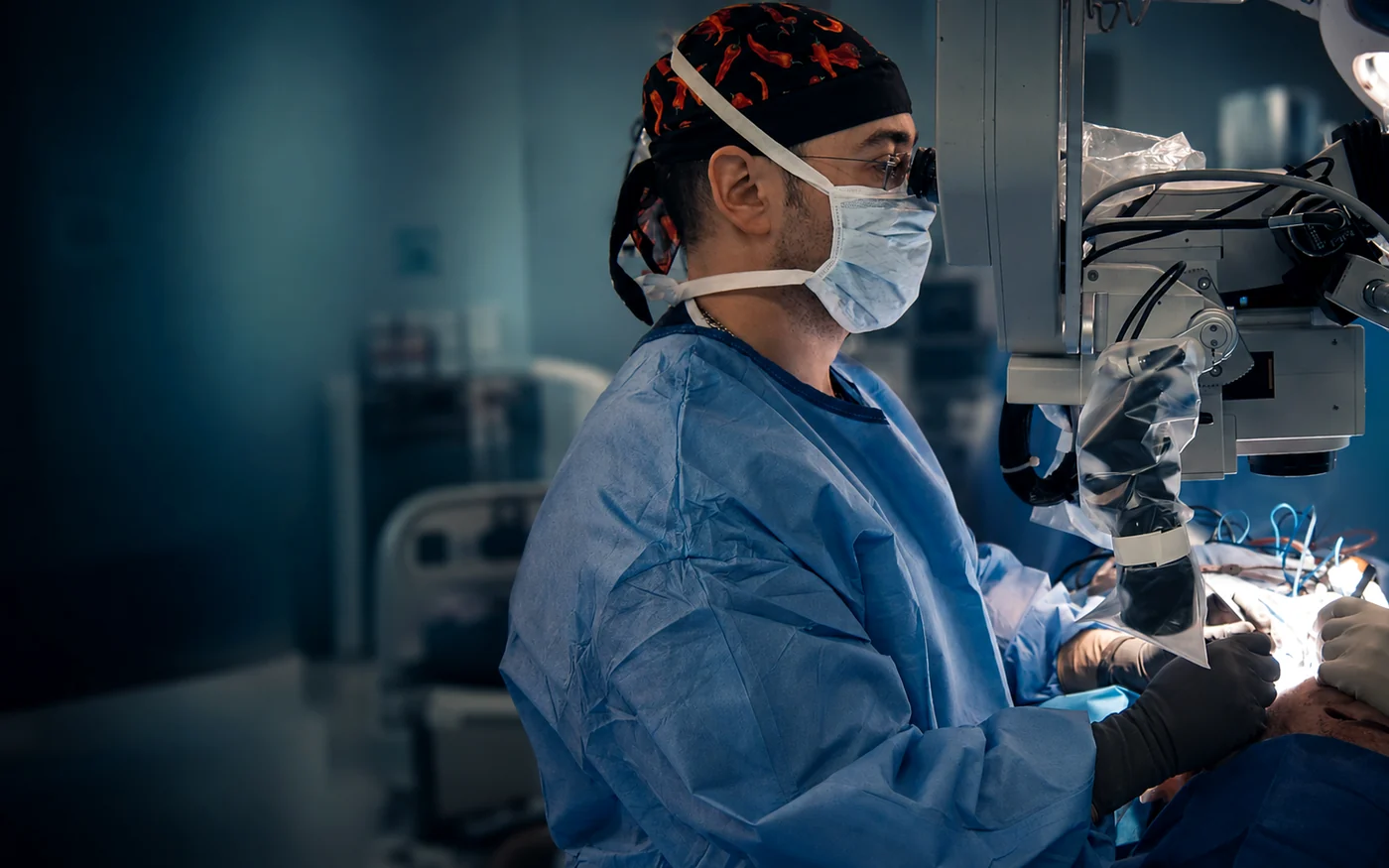
Experience in this field: Both overstating and dismissing the role of nutrition in lipedema harms the patient. As a surgeon who has researched adipose tissue biology at the University of Pittsburgh, Assoc. Prof. Dr. Acarturk is in a position to explain to his patients why this tissue resists dieting.
- Adipose tissue and stem cell research at the University of Pittsburgh
- Postdoctoral work in tissue engineering at Carnegie Mellon University
- An integrated approach to lipedema and lymphedema
Let us discuss your nutrition and treatment plan
Tell us about your weight history, the diets you have tried and the response you observed in your legs.