Microsurgery Programme
What is lipedema and how is it treated?
Lipedema is a chronic condition seen almost exclusively in women, marked by symmetrical fat accumulation in the legs and often the arms. It resists diet and exercise, causes pain on touch and over time alters the way you walk. It is not a weight problem; it is a disease that needs to be recognised.
Written and medically reviewed by: Doç. Dr. Tahsin Oğuz Acartürk — Plastic, Reconstructive & Aesthetic Surgery; University of Pittsburgh. Last updated:
What is lipedema?
Lipedema is a chronic condition in which fat tissue increases abnormally and symmetrically, accompanied by pain and tenderness on touch. The upper body is usually spared; accumulation concentrates in the hips, thighs and calves. The feet are typically unaffected — this produces the sharp transition at the ankle known as the cuff sign.
The condition often begins during hormonal transitions: puberty, pregnancy or menopause. A family predisposition is common. Even so, diagnosis is delayed for years and many patients are blamed for obesity or a lack of willpower. In reality, the fat tissue in lipedema resists calorie restriction and exercise.
How it differs from obesity and cellulite
- In obesity fat is distributed across the whole body and decreases proportionally with weight loss. In lipedema, regional accumulation persists despite weight loss.
- Cellulite is a change in the appearance of subcutaneous fat and is not painful. In lipedema, pain and tenderness dominate the picture.
- In oedema the tissue pits under pressure and swelling decreases when the leg is elevated. Neither of these is typical in lipedema.
Lipedema is diagnosed clinically. Pain, symmetry, sparing of the feet and resistance to weight loss are assessed together. A delayed diagnosis allows the disease to progress and, in time, places a burden on the lymphatic system.
Stages of lipedema
Staging is based on the appearance of the skin surface and the fat tissue. The stage determines which treatment is appropriate and how many sessions may be required.
| Stage | Skin and tissue | Clinical picture |
|---|---|---|
| Stage 1 | Smooth skin surface, fine nodules beneath | Pain and easy bruising have begun; shape change is mild |
| Stage 2 | Uneven, wavy skin surface | Nodules become prominent; regional swelling and tenderness increase |
| Stage 3 | Thickened skin, large fat lobes | Movement is restricted; knee and hip joints are strained |
| Stage 4 | Lipo-lymphedema | Lymphatic insufficiency is added to lipedema; the feet may also be involved |
As the stage advances, not only appearance but function deteriorates. Inner thighs rubbing together alter the gait, which over time leads to knee and lower back pain. For this reason lipedema surgery is not an aesthetic preference but an intervention to preserve function.
Lipo-lymphedema: where two conditions meet
In untreated lipedema, the increasing tissue volume eventually exceeds the transport capacity of the lymphatic system. At that point lymphedema is added to the picture and the treatment plan must address both components. You will find this distinction in detail on our lymphedema page.
Surgical treatment: lymphatic-sparing liposuction
Lipedema surgery is a medical treatment. The aim is not to reduce volume but to remove diseased fat tissue while preserving lymphatic structures, reduce pain and restore mobility. The technique therefore differs markedly from aesthetic liposuction.
WAL — water-jet assisted liposuction
A fine water jet gently separates fat cells from the surrounding tissue. Lymphatic vessels and nerves are largely preserved, and bleeding and bruising are reduced. It allows large areas to be treated safely in a single session.
PAL — power assisted liposuction
A vibrating cannula breaks down fibrotic and dense fat tissue with less trauma. It is preferred in advanced stages where the tissue has hardened.
- Cannulas are advanced parallel to the direction of lymphatic flow
- The tumescent fluid plan is set to minimise tissue oedema
- Large areas are divided into several sessions for safety
- Compression garments after the procedure are an integral part of treatment
Lipedema surgery does not eliminate the disease; it reduces the diseased fat tissue. Removed tissue does not return, but the condition persists in the remaining tissue. Compression garments, movement and a stable diet after surgery therefore determine the long-term outcome.
Surgery and recovery
- STEP 1 — FIRST CONTACTInitial contact via WhatsApp or the form. Initial guidance based on how long symptoms have lasted, the severity of pain, previous treatments and any photographs.
- STEP 2 — EXAMINATION AND STAGINGCircumference measurements, assessment of skin and tissue, imaging where lymphatic involvement is suspected.
- STEP 3 — PLANNINGWhich areas will be treated in which order, the number of sessions, the risks and the expected benefit are discussed openly.
- STEP 4 — SURGERYIn a fully equipped hospital setting, under general anaesthesia or sedation. Duration depends on the area treated.
- STEP 5 — FIRST 6 WEEKSCompression garments, early walking, manual lymphatic drainage where needed. Swelling resolves gradually in this period.
- STEP 6 — 3–6 MONTHSThe final shape settles in this period. Most patients notice the reduction in pain considerably earlier.
For patients from outside the city or abroad: Pre-assessment is carried out through an online consultation and the images you send. Surgery and check-ups are scheduled into a single travel plan, with subsequent follow-up conducted online.
Videos
Assoc. Prof. Acartürk Explains
Tap a cover to play the video right here. Videos are in Turkish.
 Lipödem mi, lenfödem mi? Doğru teşhis
Frequently asked questions
Is lipedema surgery the same as aesthetic liposuction?
No. Lipedema surgery is a medical treatment; the aim is to remove diseased fat tissue while preserving lymphatic structures and to reduce pain. Cannula selection, entry directions, the tumescent fluid plan and the number of sessions all differ from aesthetic liposuction.
Will the pain go away after surgery?
A marked reduction in tenderness and pain is reported in the majority of patients, and this is often noticed before any change in volume. The outcome depends on the stage and the amount of remaining tissue and cannot be guaranteed.
How many sessions are needed?
This depends on the extent of the affected area and the stage. For safety and healing quality, large areas are usually divided into 2–3 sessions with at least several weeks between them.
If I gain weight after surgery, will the fat come back?
The removed fat cells do not return. However, lipedema is a chronic condition that persists in the remaining tissue; significant weight gain can affect the result.
How long do I need to wear compression garments?
Usually full-time for the first 6 weeks, then reduced. The duration is individualised according to stage, the area treated and the speed of healing.
How do I know whether I have lipedema?
Symmetrical swelling of the legs, pain on touch, easy bruising, a sharp transition at the ankle and regional accumulation that persists despite weight loss are typical findings. A medical examination is required for a definitive diagnosis.
Sources
The medical information on this page is based on the following sources.
Doç. Dr. Tahsin Oğuz Acartürk
Plastic, Reconstructive & Aesthetic Surgery · Oral & Maxillofacial Surgery · University of Pittsburgh
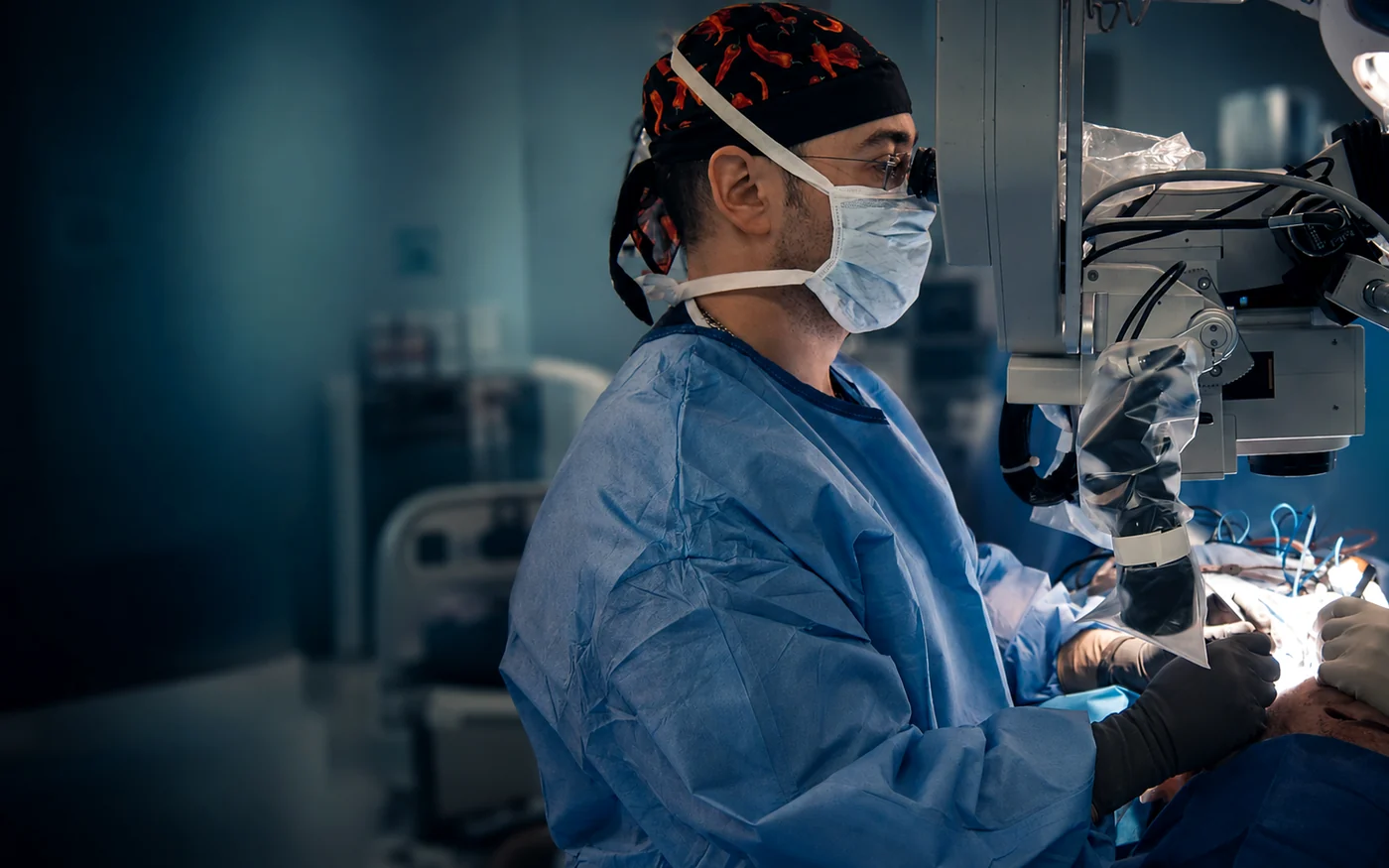
Experience in this field: Lipedema surgery requires command of liposuction techniques that spare the lymphatic system. Assoc. Prof. Dr. Acarturk is among the first Turkish plastic surgeons to have worked on adipose tissue and stem cell technologies at the University of Pittsburgh; as a surgeon who also performs lymphedema microsurgery, he works with lymphatic anatomy in daily practice. The combination of these two fields makes it possible to operate while preserving the tissue.
- Participation in the European lymphatic microsurgery group
- Adipose tissue and stem cell research at the University of Pittsburgh
- Presentation at the World Congress of Lymphology
Related areas of expertise
The first step towards a lipedema assessment
Tell us how long the symptoms have lasted, how the pain affects your daily life, and send photographs of your legs if you have them. We will get back to you with initial guidance.