Aesthetic Surgery
Arm, thigh and body lift
Major weight loss is an achievement, but it leaves loose skin behind. The inner arms, thighs and trunk show this change most. Lifting procedures remove the excess skin so that the body matches the weight you have lost.
Written and medically reviewed by: Doç. Dr. Tahsin Oğuz Acartürk — Plastic, Reconstructive & Aesthetic Surgery; University of Pittsburgh. Last updated:
Arm lift (brachioplasty)
Sagging on the inner arm is one of the most frequent complaints after weight loss. It leads people to avoid short sleeves and to feel uncomfortable with the movement of the arm. Building muscle through exercise does not correct this sagging; the excess skin must be removed surgically.
- Limited sagging: a short incision concealed in the axilla may be sufficient
- Marked sagging: an incision running from the axilla to the elbow along the inner arm is required
- Liposuction usually accompanies the procedure and softens the contour
The scar from an arm lift is permanent and its concealment is limited. The decision in this operation is made between the discomfort caused by the sagging and the acceptability of the scar. Most patients state that they prefer the scar to the sagging — but that preference must be clear beforehand.
Thigh lift
Sagging on the inner thigh causes chafing while walking, irritation and restriction in clothing choice. The incision is planned in one of two ways depending on the degree of sagging:
- Groin crease incision: the scar is concealed along the underwear line. Preferred for limited sagging.
- Vertical incision: runs from the groin to the inner knee. Required for marked sagging; the scar is long but the result more effective.
The thigh is a sensitive area for wound healing: it is mobile, moist and subject to pressure. Wound separation and delayed healing are therefore more common here than elsewhere.
Body lift and sequencing
A body lift removes excess skin entirely through an incision encircling the abdomen, waist, buttocks and outer thighs. It is performed in patients who have lost significant weight, typically after bariatric surgery.
The order of planning
- The trunk and abdomen are usually addressed first — the largest change in volume is here
- Arm and thigh lifts are planned 3–6 months later
- The breasts and face are generally left until last
- Healing must be complete between stages
Vitamin and protein deficiencies after major weight loss directly affect wound healing. Assessing and, where needed, correcting nutritional status before surgery markedly reduces the risk of complications.
The recovery process
- STEP 1 — FIRST CONTACTInitial contact via WhatsApp or the form, based on your expectations, medical history and any photographs.
- STEP 2 — EXAMINATION AND PLANNINGAssessment of your anatomy and open discussion of applicable techniques, risks and realistic expectations.
- STEP 3 — PREPARATIONBlood tests, anaesthetic assessment, adjustment of smoking and blood-thinning medication.
- STEP 4 — SURGERYUnder general anaesthesia; 2–5 hours depending on the region and scope, with 1–2 nights in hospital.
- STEP 5 — FIRST DAYSA compression garment is worn from day one and drains may be placed. Movement is limited in the first week.
- STEP 6 — RETURN AND FOLLOW-UPReturn to desk work in 2–3 weeks. Compression continues for 6 weeks. Scars mature over the first year, during which care is critical.
Frequently asked questions
How long after weight loss can I have surgery?
Your weight should be stable for at least 6 months. Surgery performed too early risks the result being spoilt by subsequent weight change.
How visible will the scars be?
In these operations the scars are long and permanent. They fade over time but do not disappear entirely. Silicone care, sun protection and not smoking directly affect scar quality.
Can I have everything done in one session?
This is generally not advised. Long operating times and large wound surfaces increase risk. Staged planning is preferred for both safety and quality of result.
Wouldn't liposuction alone be enough?
Not if skin elasticity has been lost. Removing fat then makes the sagging more pronounced. In patients after weight loss, the excess skin must be removed.
When can I exercise after surgery?
Walking begins in the first days. Light exercise can be added after week 4 and weight training after week 8, gradually and with medical approval.
Doç. Dr. Tahsin Oğuz Acartürk
Plastic, Reconstructive & Aesthetic Surgery · Oral & Maxillofacial Surgery · University of Pittsburgh
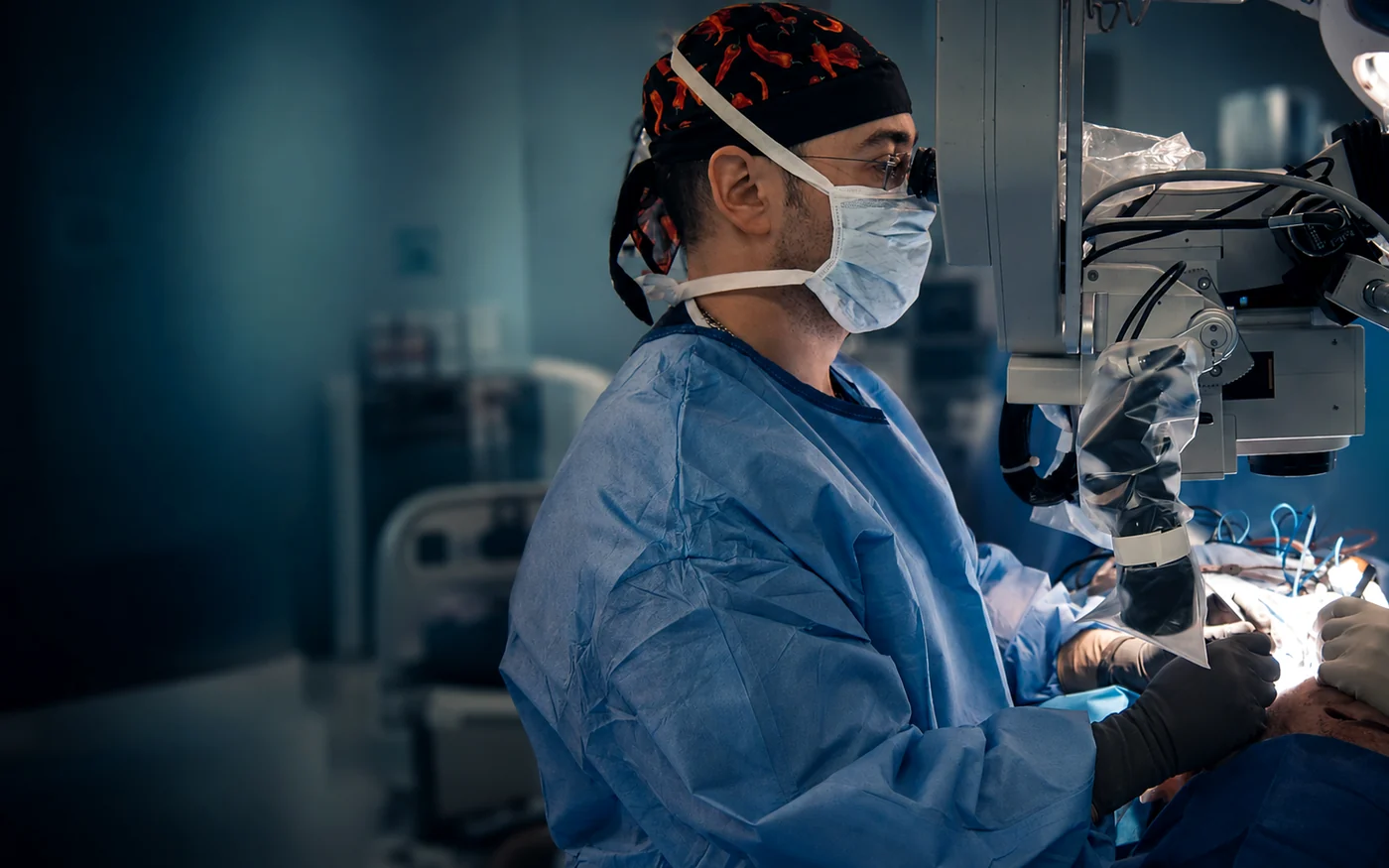
Experience in this field: Body contouring after major weight loss requires reconstructive discipline because of the large wound surfaces and high complication risk. Assoc. Prof. Dr. Acarturk's background in trunk and extremity reconstruction allows these operations to be staged safely.
- Experience in trunk and extremity reconstruction
- Three years of general surgery training
- Practice in managing complex wounds and tissue loss
Body lifting assessment
Tell us how much weight you have lost, how long your weight has been stable, whether you have had bariatric surgery, and send photographs if you have them.