Microsurgery Programme
Non-surgical treatment of lipedema
The honest answer is this: non-surgical methods do not eliminate lipedema, but they markedly reduce symptoms and slow the progression of the disease. This page explains what genuinely works and at what point surgery becomes necessary.
Written and medically reviewed by: Doç. Dr. Tahsin Oğuz Acartürk — Plastic, Reconstructive & Aesthetic Surgery; University of Pittsburgh. Last updated:
What non-surgical treatment does — and does not do
This distinction needs to be clear from the outset, because managing expectations is part of the treatment.
| What non-surgical treatment does | What it does not do |
|---|---|
| Reduces pain and tenderness | Does not remove the diseased fat tissue |
| Brings oedema under control | Does not permanently change the shape of the legs |
| Slows progression | Does not reverse the disease |
| Eases the lymphatic load | Does not correct the disproportion |
| Preserves mobility | Does not achieve regression of stage |
This is not a picture of failure. Conservative treatment is the foundation of lipedema management and continues lifelong even in patients who have surgery. Surgery does not replace conservative treatment — it comes into play where conservative treatment is not enough.
Compression garments
This is the most effective component of conservative treatment. By increasing tissue pressure it reduces the accumulation of oedema, eases pain and controls fluctuation in volume through the day.
- Flat-knit garments are generally preferred in lipedema — their firmer structure gives better tissue support
- The compression class should be determined by a doctor; the wrong class is either ineffective or uncomfortable
- Made-to-measure garments are far more effective than off-the-shelf sizes
- Regular use is markedly superior to intermittent use
- Replacement every 6 months is advised — elasticity is lost over time
Compression garments are the component most patients struggle with, particularly in hot weather. Yet regular use is the single most important factor determining whether you will benefit from conservative treatment.
Manual lymphatic drainage and physiotherapy
Manual lymphatic drainage is a specialised massage technique that supports lymphatic flow. In lipedema it reduces the oedema component and provides relief.
- Reduces oedema and the sensation of tightness
- May raise the pain threshold
- Its effect increases when applied together with compression garments
- Does not on its own produce a lasting change in volume
Manual lymphatic drainage does not reduce fat tissue in lipedema. Its benefit lies in oedema and relief. Presenting it as a treatment in its own right is therefore not correct; it is meaningful alongside compression and movement.
Exercise: which type, and why?
Exercise matters in lipedema not for losing weight but for supporting lymphatic flow and protecting the joints. Choosing the right type is decisive here.
Recommended exercise
- Water-based exercise and swimming: the hydrostatic pressure of water provides natural compression — the most recommended form of exercise in lipedema
- Walking: the calf muscle pump supports lymphatic flow
- Cycling: low joint load, effective muscle pump
- Pilates and stretching: preserves range of movement
Points to watch
- High-impact activities (running, jumping) may increase pain
- Excessive weight training may trigger tenderness
- Wearing compression garments during exercise is helpful
- Stopping before pain rather than at the limit of pain is essential
The aim of exercise in lipedema is not to slim the legs — that is not a realistic goal. The aim is to support lymphatic flow, protect joint health and maintain mobility.
The role of nutrition
There is no diet that eliminates lipedema. However, a nutrition plan has two genuine contributions: weight control reduces the lymphatic load and a pattern that reduces inflammation may ease symptoms.
- A stable weight is one of the factors that slows the progression of lipedema
- Reducing processed food and excess salt may lessen the sensation of swelling
- Adequate protein and water intake matter for tissue health
- Highly restrictive diets do not achieve the goal in lipedema and are not sustainable
Cycles of strict, restrictive dieting are common in lipedema and usually end in disappointment — because the diseased fat tissue does not respond to that effort. A sustainable eating pattern is both more effective and healthier than aggressive dieting. For more see our lipedema and nutrition page.
When does surgery come into consideration?
If the following persist despite regular conservative treatment, the time for surgical assessment has come:
- If pain continues to affect daily life
- If rubbing of the thighs disturbs walking and posture
- If restriction of movement is progressing
- If the load on the knee and hip joints is causing symptoms
- If the stage is advancing despite compression garments
- If quality of life has fallen markedly
There is no need to wait for an advanced stage before surgery. On the contrary, intervening before the tissue becomes fibrotic is both technically easier and gives a better result. There is no medical reason for a patient who has tried conservative treatment without benefit to wait.
Frequently asked questions
Does lipedema resolve without surgery?
No. Non-surgical methods reduce pain, control oedema and slow progression — but they do not remove the diseased fat tissue. Knowing this honest framework from the outset allows you to make the right decision.
Which non-surgical method is most effective?
Regularly worn compression garments and regular movement. Applied together, their effect on pain and oedema is most marked. Manual lymphatic drainage adds further benefit.
Will lymphatic drainage cure lipedema?
No. Manual lymphatic drainage reduces the oedema component and provides relief, but it does not reduce fat tissue. Presenting it as a treatment in its own right is not correct.
Will exercise slim my legs?
This is not a realistic goal in lipedema. The diseased fat tissue resists exercise. The purpose of exercise is to support lymphatic flow, protect the joints and maintain mobility.
Should I wear compression garments all the time?
Regular use is markedly more effective than intermittent use. Daily use is advised; it can be demanding in hot weather but it is the most important condition for benefiting from treatment.
How long should I continue without surgery?
There is no fixed rule. If pain and restricted movement persist despite regular conservative treatment, the time for surgical assessment has come. There is no need to wait for an advanced stage.
Doç. Dr. Tahsin Oğuz Acartürk
Plastic, Reconstructive & Aesthetic Surgery · Oral & Maxillofacial Surgery · University of Pittsburgh
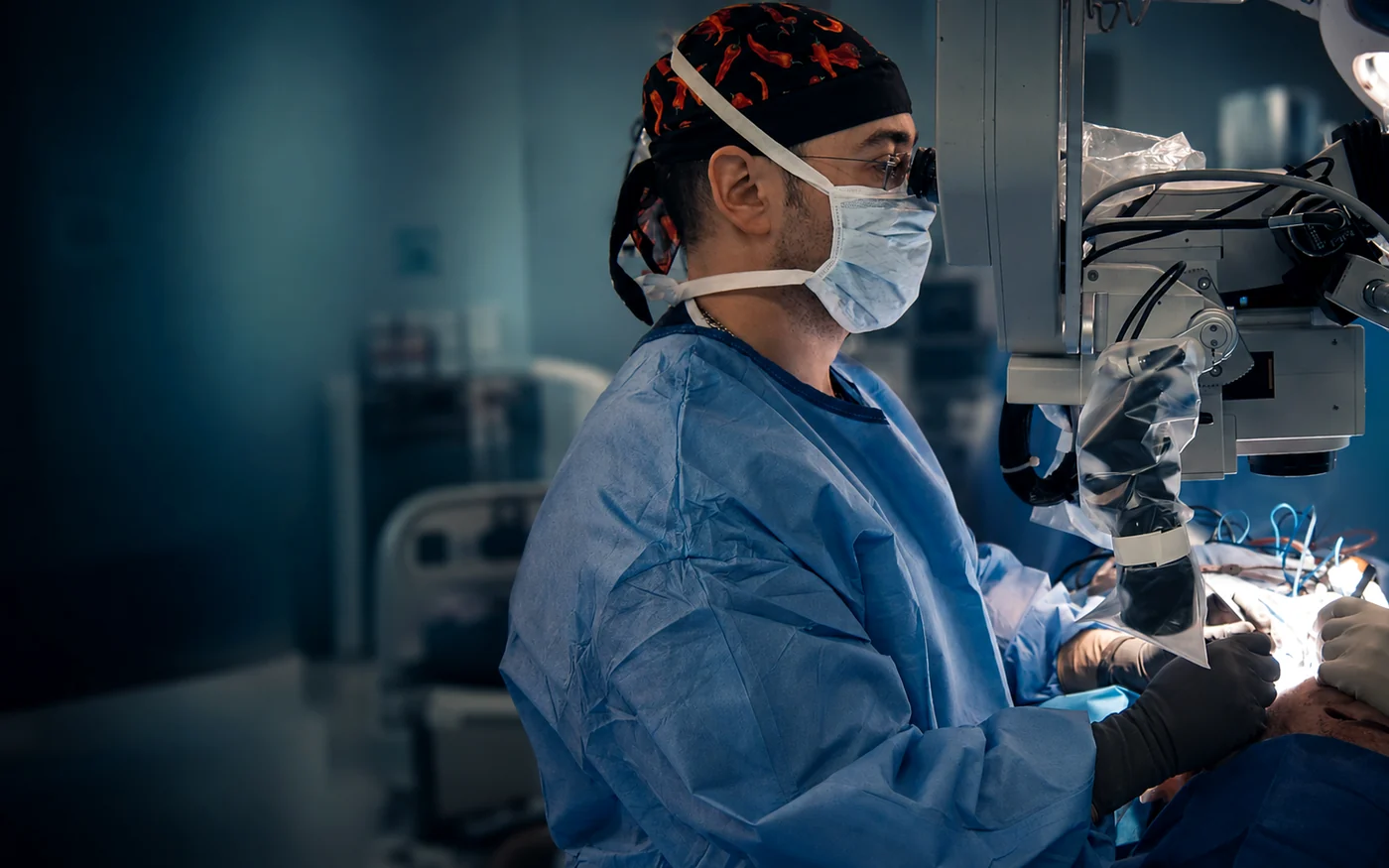
Experience in this field: Explaining the limits of conservative treatment honestly prevents both unnecessary surgery and unnecessary waiting. As a surgeon who performs both lipedema surgery and lymphedema microsurgery, Assoc. Prof. Dr. Acarturk assesses which patient will benefit from which approach.
- Participation in the European lymphatic microsurgery group
- Adipose tissue and stem cell research at the University of Pittsburgh
- Experience in lymphatic-sparing liposuction
Let us discuss which approach suits you
Tell us which treatments you are currently using, how long you have been using them and how your pain affects your daily life.